

Malaysia says no state financing agreed for AirAsia
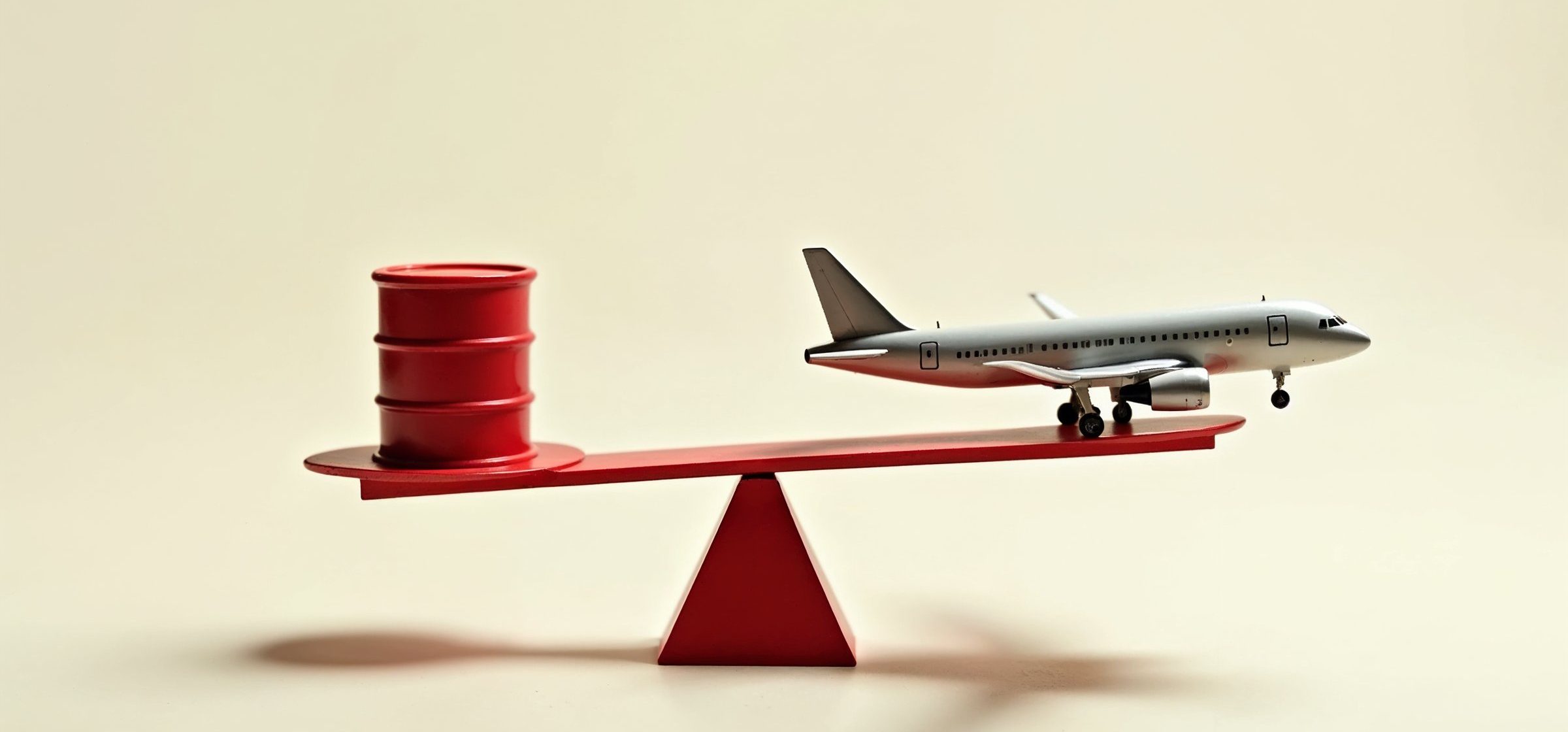
Malaysia’s aviation connectivity gives AirAsia political weight, but the absence of committed government financing leaves its creditors relying on the airline’s own cash generation and funding negotiations.
In a written parliamentary reply on 19 October, Malaysia’s Finance Ministry said it had made no agreement or commitment to provide AirAsia with guarantees, loans or public funds. It said support requests would be assessed against national interests, fiscal sustainability and protection of public money.
Budget airline AirAsia’s co-founder Tony Fernandes said government discussions concerned aviation costs, including airport charges and fuel. Cost relief would improve the economics of flying; financing would provide money to meet payments. The airline’s funding case needs to work with the assistance actually committed.
Refinancing must leave room for operating payments
The financial starting point is demanding. According to The Edge Malaysia, AirAsia had cash and bank balances of 953.7 million Malaysian ringgit at the end of June. It recorded a net operating cash outflow of 581.6 million ringgit in the first half, after working capital, interest and tax.
Refinancing can lower interest costs and spread repayments, leaving more cash available for operations. Persistent operating outflows would absorb that benefit. For lenders, the strongest funding proposition therefore combines cheaper debt with a credible recovery in cash generation. If operating cash outflows persist, AirAsia may need to draw on available liquidity or secure funding beyond refinancing existing debt. In September, Fernandes disputed concerns about liquidity, saying the group was strong in liquidity and did not need a rescue or bailout.
Fernandes said the group had received a signed $1 billion term sheet from a Middle Eastern investor and was considering other options for better terms. AirAsia described the exercise as largely refinancing. Alongside those negotiations sit 803 million ringgit of current borrowings and 2.76 billion ringgit of current lease liabilities at the end of June.
First-half financing brought in 988.9 million ringgit from a private placement, 651.6 million ringgit from debentures and 1.17 billion ringgit from borrowings. Over the same period, AirAsia repaid 1.05 billion ringgit of borrowings, 147.2 million ringgit of debentures and 1.21 billion ringgit of lease liabilities. Net financing cash inflow was 404.5 million ringgit.
Fuel exposure complicates the cash recovery
Fuel is the immediate obstacle to generating that cash. AirAsia’s average fuel price reached $183 per barrel in the second quarter, up 66 per cent from the preceding quarter. Fuel expenses reached 2.8 billion ringgit against quarterly revenue of 5.09 billion ringgit. The company said it had recovered about 70 per cent of the fuel-cost increase through higher fares and lower non-fuel operating costs.
That partial recovery leaves management balancing cash per passenger against the volume needed to support the network. Higher fares help cover fuel, but they also make each departure more dependent on customers accepting the new price. Cutting weak flying can preserve cash, though it reduces the seats available to spread costs across.
AirAsia had already raised passenger prices substantially. Depending on the route and destination, fuel surcharges rose by about 20 per cent, while overall airfares increased by between 30 per cent and 40 per cent, according to The Edge Malaysia.
AirAsia recorded 331 million ringgit in foreign exchange losses in the second quarter, adding currency exposure to its financing challenges. Fernandes said the airline had wanted fuel hedges before the latest escalation but lacked the necessary credit. AirAsia also disclosed that Thai AirAsia had hedged 13 per cent of its third-quarter fuel consumption at $89 per barrel. Access to credit therefore affects protection against fuel volatility as well as refinancing.
The fuel exposure also reached tickets already sold. Fernandes said AirAsia had sold large numbers of tickets when jet fuel was around $85 per barrel, before prices surged towards $200.
Capacity restraint sits alongside fleet renewal
AirAsia planned to cut third-quarter seat capacity by between 20 per cent and 25 per cent year on year, temporarily suspending underperforming routes. It also planned to return 25 older, less fuel-efficient aircraft to lessors during the year. The Edge Malaysia’s September report also said capacity was expected to return towards pre-war levels in the fourth quarter. These plans connect the funding problem directly to the operating network.
Selective reductions can protect cash more effectively than maintaining departures that consume it. For lessors, however, aircraft returns bring remarketing decisions; for airports and travel sellers, fewer seats can reduce the business available around each service. The commercial consequence depends on which routes lose capacity and how quickly other airlines replace it.
Fleet renewal extends the financing task beyond the immediate fuel shock. AirAsia has 150 Airbus A220s and 70 A321XLR deliveries starting in 2028. New aircraft can improve operating economics, but delivery commitments also require funding capacity. Financing resilience rests on the payment schedule and cash generation available when those commitments fall due.
Airport dependence raises the cost of disruption
The exposure is concentrated in particular Malaysian markets. The Finance Ministry put AirAsia’s share of passenger movements in Sabah at 62 per cent and Sarawak at 70 per cent in 2025, excluding short take-off and landing airports. Among individual airports, its passenger shares reached 79 per cent at Sibu, 77 per cent at Bintulu and 75 per cent at Sandakan.
The national footprint extends beyond those concentrated markets. The ministry said AirAsia carried about 41 per cent of the 104.5 million passenger movements at airports operated by Malaysia Airports Holdings in 2025, alongside nearly 60 per cent of domestic passenger movements.
For these destinations, the operational risk is a potential gap if seats are withdrawn before replacement services become available. That gap would affect airport spending and the supply of customers to accommodation and ground transport businesses. A successful refinancing would ease payment pressure; sustained operating cash generation would give the network a firmer base. Lower fuel costs or stronger fare recovery would improve that prospect, while prolonged cash outflows would increase pressure to conserve capacity.
Rival airlines have indicated room to expand. Reuters reported, citing sources and carried by CNA, that Malaysia Airlines and Batik Air had indicated they could grow organically to take on routes and passengers. Batik Air chief executive Chandran Rama Muthy told Bernama it was “able to bring aircraft in quickly to absorb or help with the domestic market demand if required”.